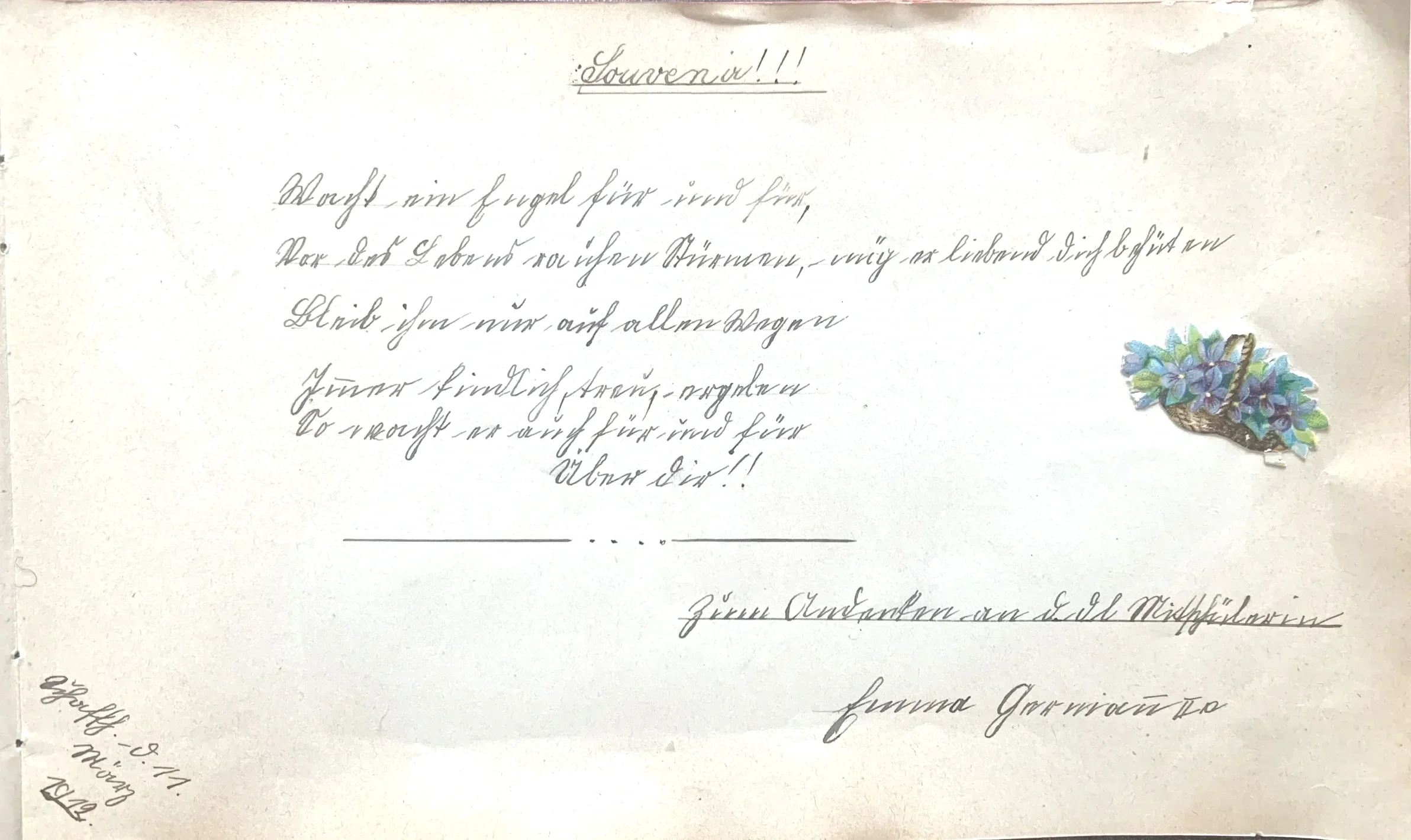
Have Kurrent script professionally transcribed
Handwritten letters, diaries, recipes, and documents from the 18th and early 19th centuries were written in Kurrentschrift in German-speaking Switzerland. Even the printed typeface, Fraktur—as it was used in newspapers, for example—is no longer easily readable by everyone today. Transcriptions bring the content back to light.
Procedure
How do I have Kurrent script transcribed?
For an initial assessment, clear photos or scans, the length of the text, and the desired level of accuracy are sufficient. Depending on the purpose, a summary, a paraphrased version, or a verbatim translation may be appropriate.
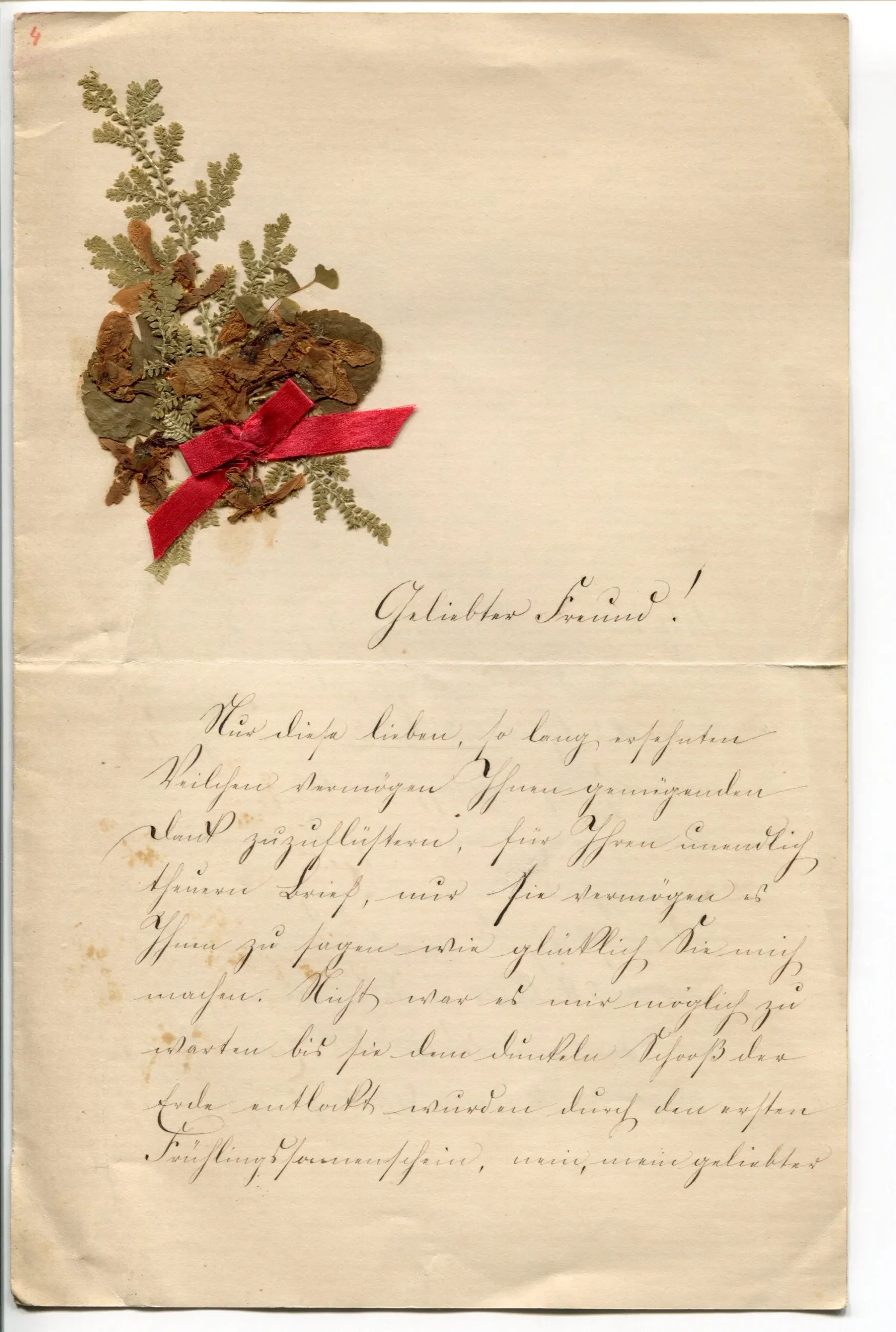
Historical Manuscript
Letters, diaries, and documents are digitized, read, and classified according to their subject matter.
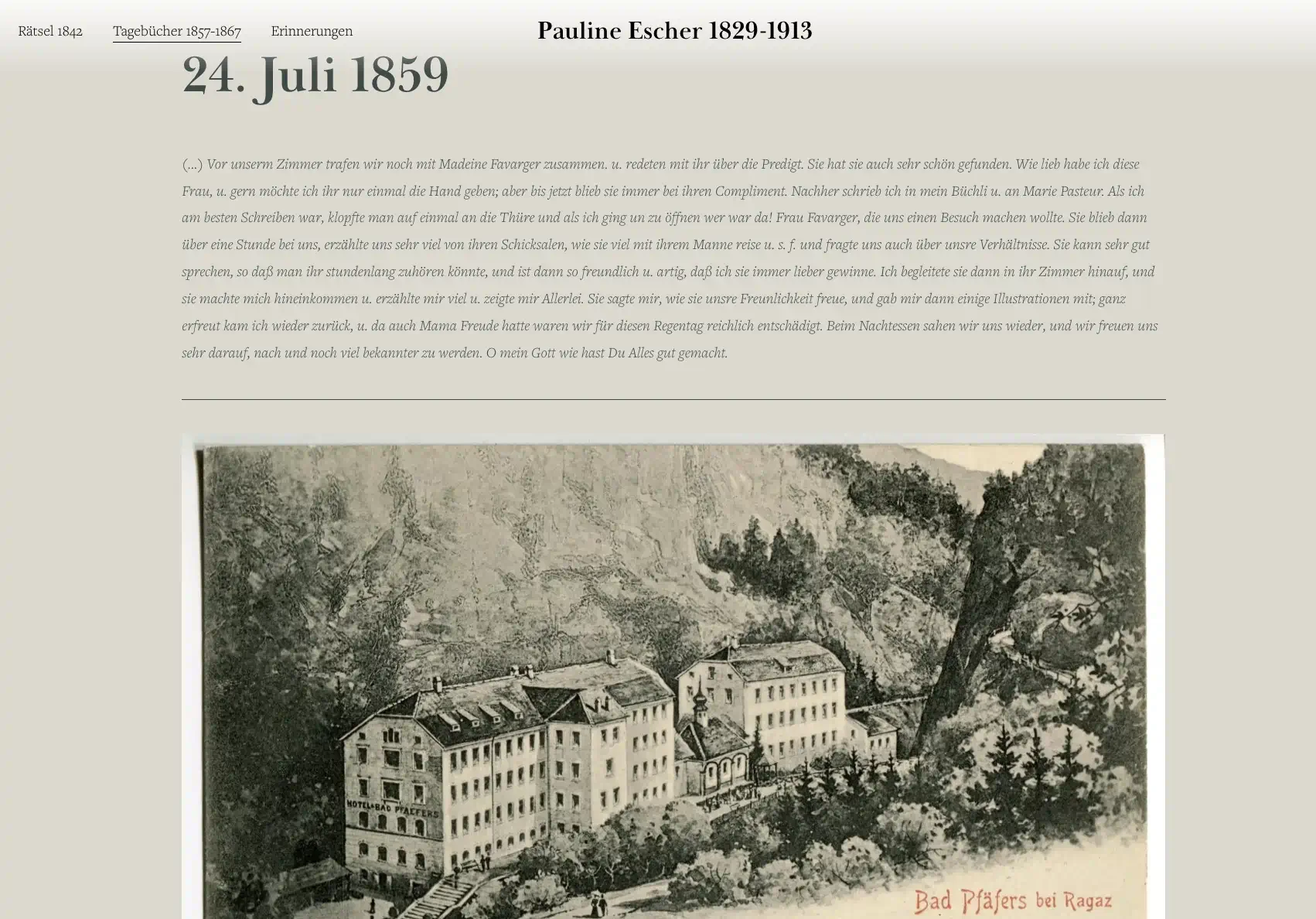
Clear Transmission
Transcription makes content readable again—tailored to the intended purpose and using either the original or modern spelling.
Two Forms of Transmission
Level 1 · Summary
You'll find out what it's all about—ideal for sorting through large collections.
Level 2 · Reading-Based Transcription
The complete text, written in either the original or modern spelling, so that the family can read it easily.
Humans + AI: The Best of Both Worlds
I use AI-powered handwriting recognition (Transkribus)—and check every line by hand. Names, places, difficult passages, and historical context require a trained eye. I treat your documents confidentially.
-
To some extent—good models produce usable drafts, but they make mistakes, especially with names, abbreviations, and difficult handwriting. For reliable results, the original must be reviewed by an expert.
-
Sütterlin is a standardized school form of Kurrent script dating from 1911. Both are part of the German cursive tradition and are no longer legible to most people today.
Would you like to know what's written in an old letter?
In a brief, free initial consultation, we'll assess the current situation, set goals, and determine the best next steps.