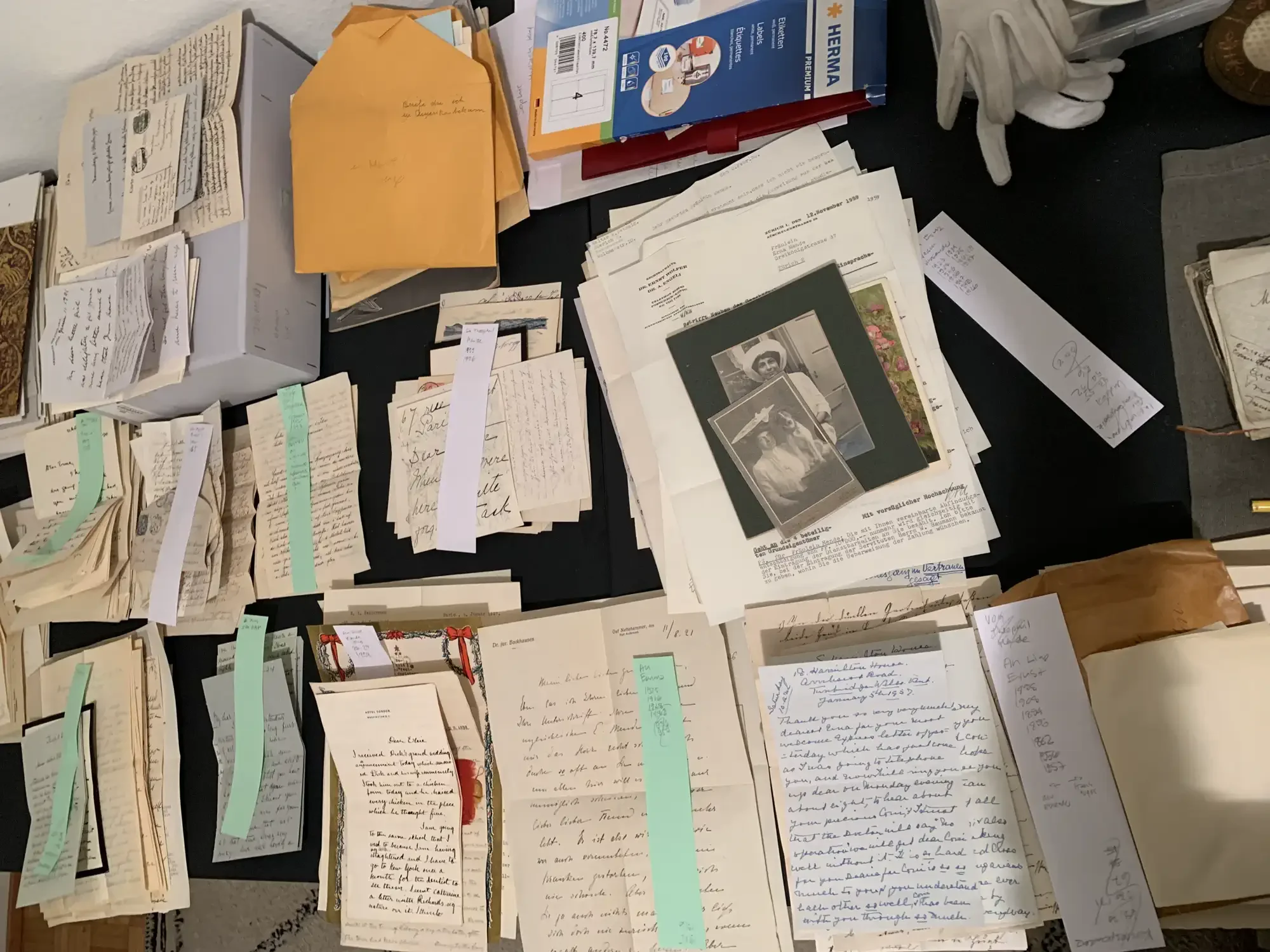
Have your archives professionally organized and cataloged
Appraisal, evaluation, classification system, inventory, and finding aids—so that every document can be located again.
What does “cataloging an archive” mean?
Cataloging means organizing a collection in a structured manner, describing it, and making it searchable—ranging from a simple inventory list to a detailed catalog that includes call numbers, titles, dates of creation, descriptions of content, locations, and other searchable information.
Frequently Asked Questions
-
The established order of the collection is the guiding principle: It is preserved wherever possible because it documents connections. New structures complement the existing ones rather than overwriting history.
-
For smaller collections, yes—it’s important to have consistent information such as call number, title, date range, summary, and location. I provide tried-and-true templates.
Supplementary Services for Indexing
Supplementary Module
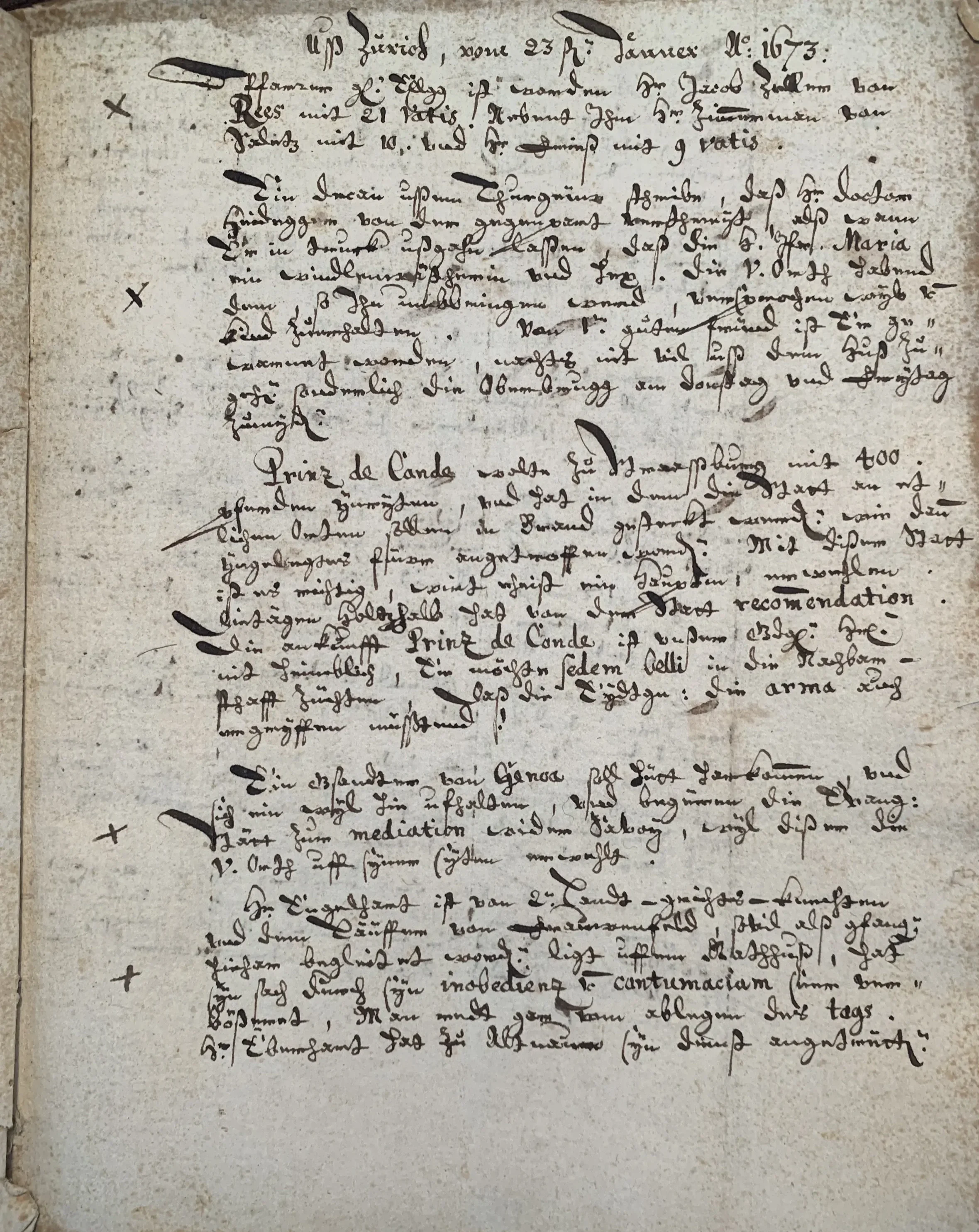
Cursive Transcription
Make letters, diaries, and documents from your collection accessible—as an add-on after they have been reviewed and organized.
Supplementary Module
Digitize
Depending on the project, it may make sense to digitize documents. It is essential to adhere to conservation and archival guidelines for the digital data as well, to ensure that it remains retrievable. Historical originals are not discarded after scanning—the original remains the source and evidence.
Possible Output
Publish
The output for a cataloged collection is as unique as the collection itself. Whether it’s a book, a website, an e-book, or a set of playing cards, let these examples from my own work inspire you.
Are you planning to turn these boxes and folders back into a usable archive?
In a brief, free initial consultation, we'll assess the current situation, set goals, and determine the best next steps.